Trump asks the high court to stop another DOGE suit
The article was last updated at 2:38 pm on May 21, 2018.
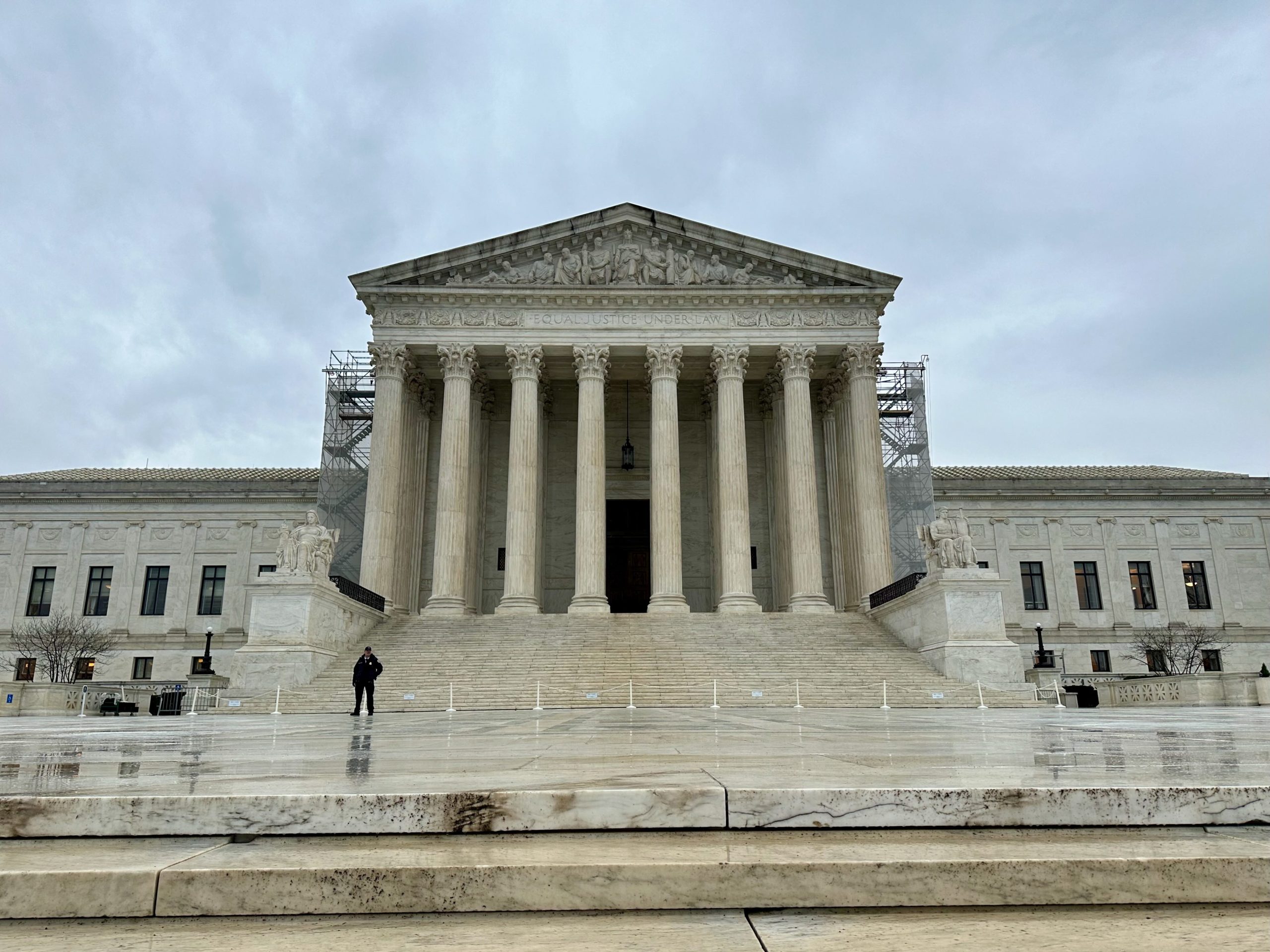
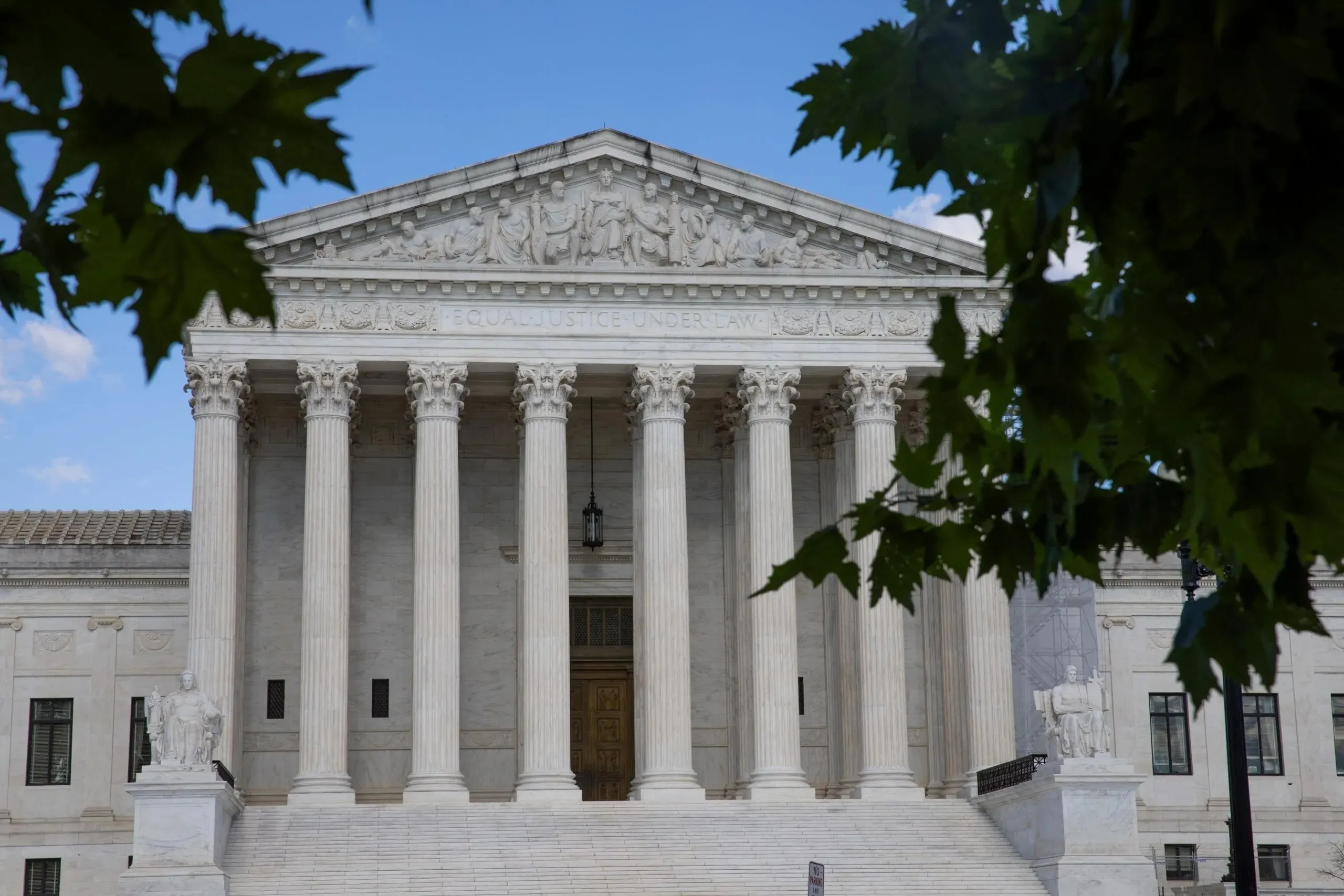
On Wednesday morning, the Trump administration went to the Supreme Court to ask the justices once again to act on their emergency docket. U.S. Sauer told the justices that requiring DOGE as a “presidential advisory body” to respond to the plaintiffs’ requests, a process known as discovery, “clearly violates the separation of powers” and will “significantly distract” from DOGE’s mission of identifying and eliminating fraud, waste, and abuse in the federal government. Sauer told the justices that requiring DOGE as a “presidential advisory body” to respond to the plaintiffs’ requests, a process known as discovery, “clearly violates the separation of powers” and “will significantly distract” from DOGE’s “mission of identifying and eliminating fraud, waste, and abuse in the federal government.”
Chief Justice John Roberts instructed CREW to file a response to the government’s request by noon on Friday, May 23. President Donald Trump created DOGE in January to “further his agenda by’modernizing Federal software and technology to maximize government efficiency and productivity. The Trump administration’s Wednesday request stems from a FOIA request made by Citizens for Responsibility and Ethics, a government-watchdog group, on Jan. 24. CREW requested, among other things: communications between the DOGE Administrator, Amy Gleason and DOGE Staff, as well financial disclosures made by DOGE personnel.
On February 20, CREW filed an FOIA lawsuit in federal court in Washington D.C. CREW wanted documents before Congress passed a federal funding bill. The case is being heard by the court on Wednesday and revolves around CREW’s demand for expedited discovery in order to determine if DOGE is a “agency” required to comply with FOIA. CREW requested that Gleason be deposed, as well as a list containing government contracts and grants which DOGE recommended should be cancelled, a listing of employees and positions which DOGE recommended to be terminated, as well as a listing of current and former DOGE staff. District Judge Christopher R. Cooper granted CREW’s request in large part, including the request to subpoena Gleason. He also instructed DOGE to respond promptly.
In a May 14 order, the U.S. Court of Appeals, District of Columbia Circuit, declined to pause Cooper’s order. They called the discovery order “narrow” and “modest.”
Sauer went to the Supreme Court a week later to ask the justices to step in. He told the justices that Cooper “granted expedited and intrusive discovery to a presidential advisory board to determine whether that advisory group is exempt from FOIA.” This order, he said, “violates the separation of power by compromising the “necessity” for confidentiality that allows presidential advisers to give “candid, objective” advice and communication.” The court has yet to act on this appeal.
Posted under Emergency appeals and Applications, Featured