Trump administration seeks stay of district court order that prohibits government from deporting citizens without additional analysis that they could face torture
The Trump Administration on Tuesday afternoon requested that the Supreme Court pause an order made by a federal court judge in Massachusetts which prohibits the federal government to deport immigrants to a foreign country that has not been specifically identified in the deportation orders, unless it first meets criteria that ensures that the immigrants won’t be tortured in that country. U.S. Solicitor D. John Sauer said that the “judicially created procedures” are “causing havoc in the third-party removal processes,” and infringing the executive branch’s authority over immigration. They also disrupt “sensitive diplomatic, national-security, and foreign-policy efforts.”
Like other cases on the emergency docket of the court, this case has its roots in Trump administration efforts to remove undocumented migrants from the United States, which were set in motion by a presidential executive order signed on Jan. 20 by Donald Trump. Trump’s executive order instructed the Department of Homeland Security (DHS) to take “all appropriate measures” to remove noncitizens in the United States who had been ordered to be deported.
In february, DHS issued an internal directive instructing a division within U.S. Immigration and Customs Enforcement on how to determine if undocumented migrants who had received deportation order but hadn’t yet been removed due to the possibility of torture if they returned to their homeland could be sent to a new country. Sauer said that such removals “are often the only viable options for removing” certain immigrants. DHS released more guidance on March 30. It stated that before immigrants could be removed to a foreign country that was not specifically named in their removal orders, and that had not assured the United States of the immigrants’ safety, DHS would have to follow a number of procedures. They must inform the immigrants about the planned removal and give them the chance to “affirmatively” express the fear that they might face torture. If necessary, DHS will conduct a screening in order to determine whether they are likely to be tortured. Four immigrants with removal orders brought this lawsuit in Massachusetts, claiming that they were afraid of being sent to a country not named in their orders. Murphy issued an executive order prohibiting the government from deporting these immigrants and others to a third country. Murphy also instructed DHS to give immigrants and their attorneys written notice of any third country they may be deported to, as well as an “meaningful” opportunity to challenge this removal. Murphy also instructed DHS to decide whether the immigrants’ fear of torture was “reasonable” rather than if it is “more probable than not” they will be tortured. Murphy said that if immigrants are unable to make this showing, DHS should give them 15 days to try to reopen immigration proceedings.
On the 20th of May, the Trump administration attempted to remove to South Sudan several immigrants who had all been convicted in the United States of crimes including murder, arson and kidnapping. Murphy ruled the removal was in violation of his order a day later because the government did not give the immigrants enough time to express any concerns regarding the possibility of torture. Murphy added that, for the purposes of his order “a minimum of 10 days” was “meaningful”.
As to the immigrants who the government had flown into South Sudan and are now being held at a military base near Djibouti – Murphy ordered that the government “maintain control” over them. Murphy said that after giving them 72-hour notice, and resources “commensurate with what they would get if they were in the United States,” the government must interview them “in secret” to allow them to express any fears they may have about torture.
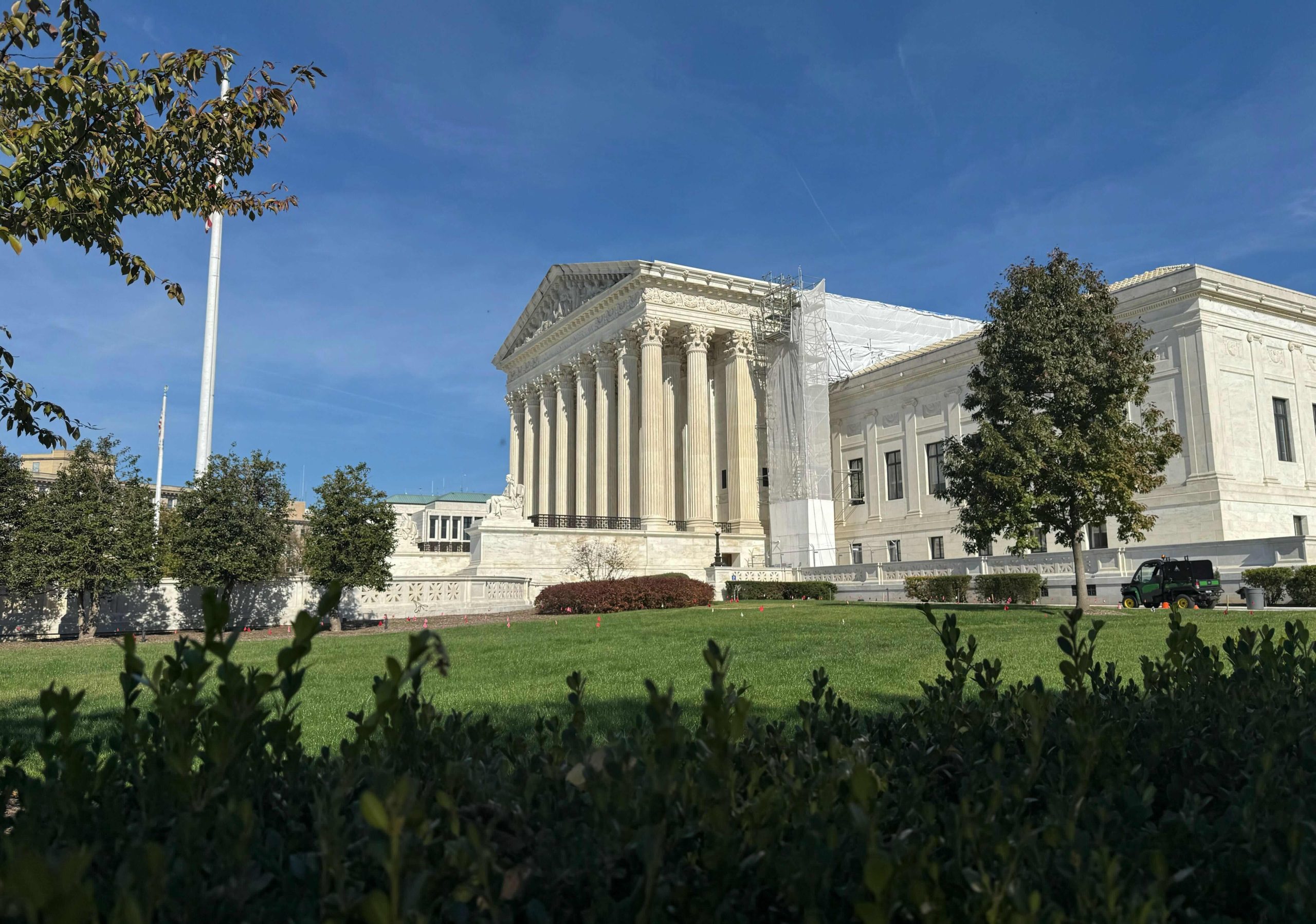
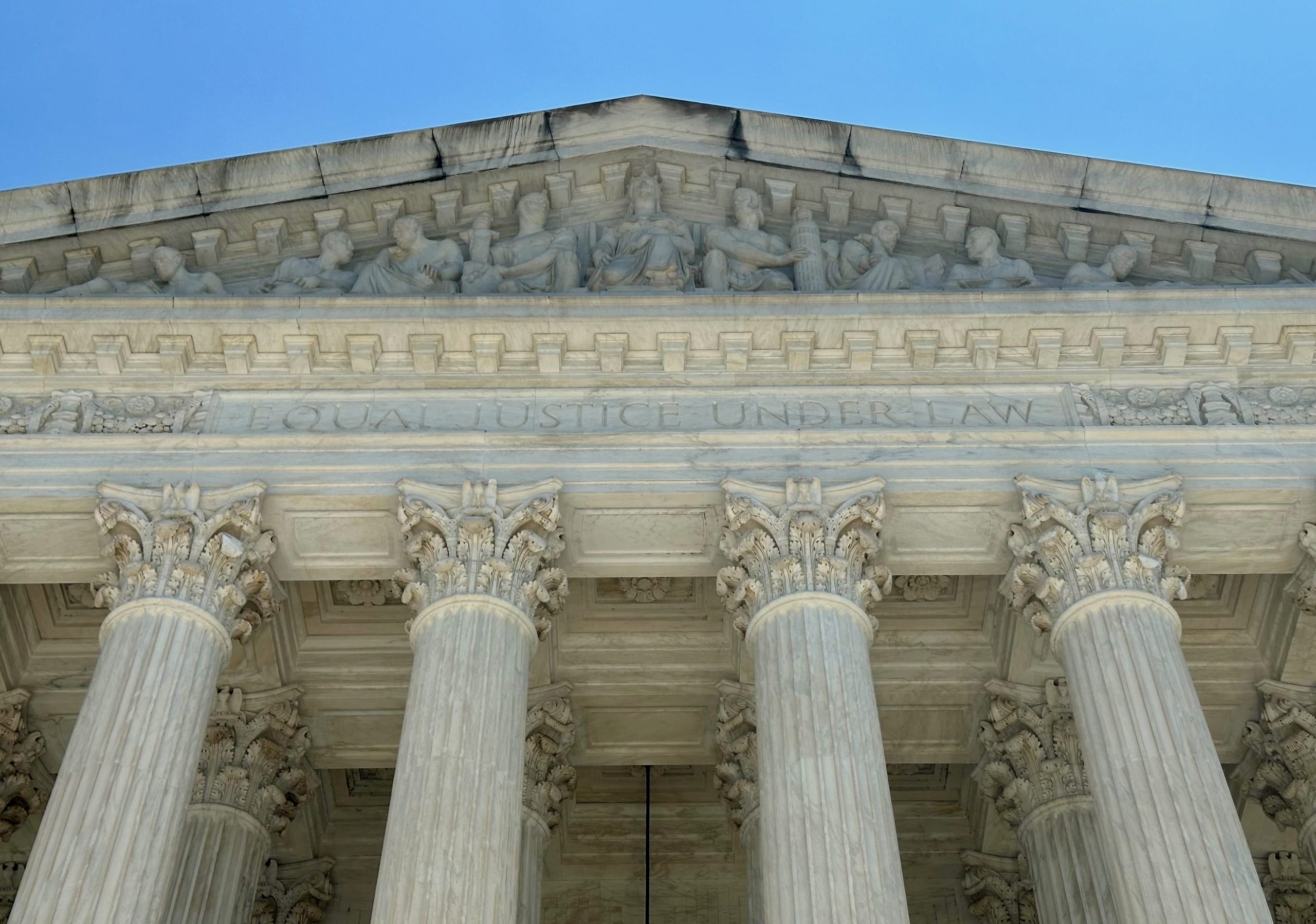
Sauer appeared at the Supreme Court Tuesday and asked the justices to suspend Murphy’s order while the government’s legal appeal is being heard. He told the justices the dispute “addresses government’s ability” to remove “some of the worst of illegal aliens.” Sauer said that, until recently, “these efforts were working.” However, Murphy’s order “has stalled this nationwide.” Sauer said that Murphy’s orders are in conflict with federal immigration laws in many ways. He wrote that Congress gave the executive branch primary authority to deport non-citizens and execute removal orders, and not federal courts. He continued that federal law prohibits courts from issuing broad relief like Murphy did in this case.
Sauer also asked for an administrative stay to temporarily block Murphy’s order, while the justices considered the government’s request. He cited “the urgency of circumstances and the ongoing irreparable damage to the government in the diplomatic and immigration spheres, as well as foreign policy and foreign affairs.” This request will be sent to Justice Ketanji Brown Jackson who handles emergency appeals for the Massachusetts area.
Posted in Emergency appeals and applications, Featured
Cases: Department of Homeland Security v. D.V.D.
Recommended Citation:
Amy Howe
Trump administration seeks stay of district court order prohibiting the government from deporting citizens without additional analysis that they could face torture.
SCOTUSblog
(May. 27, 2025, 6:29 PM),