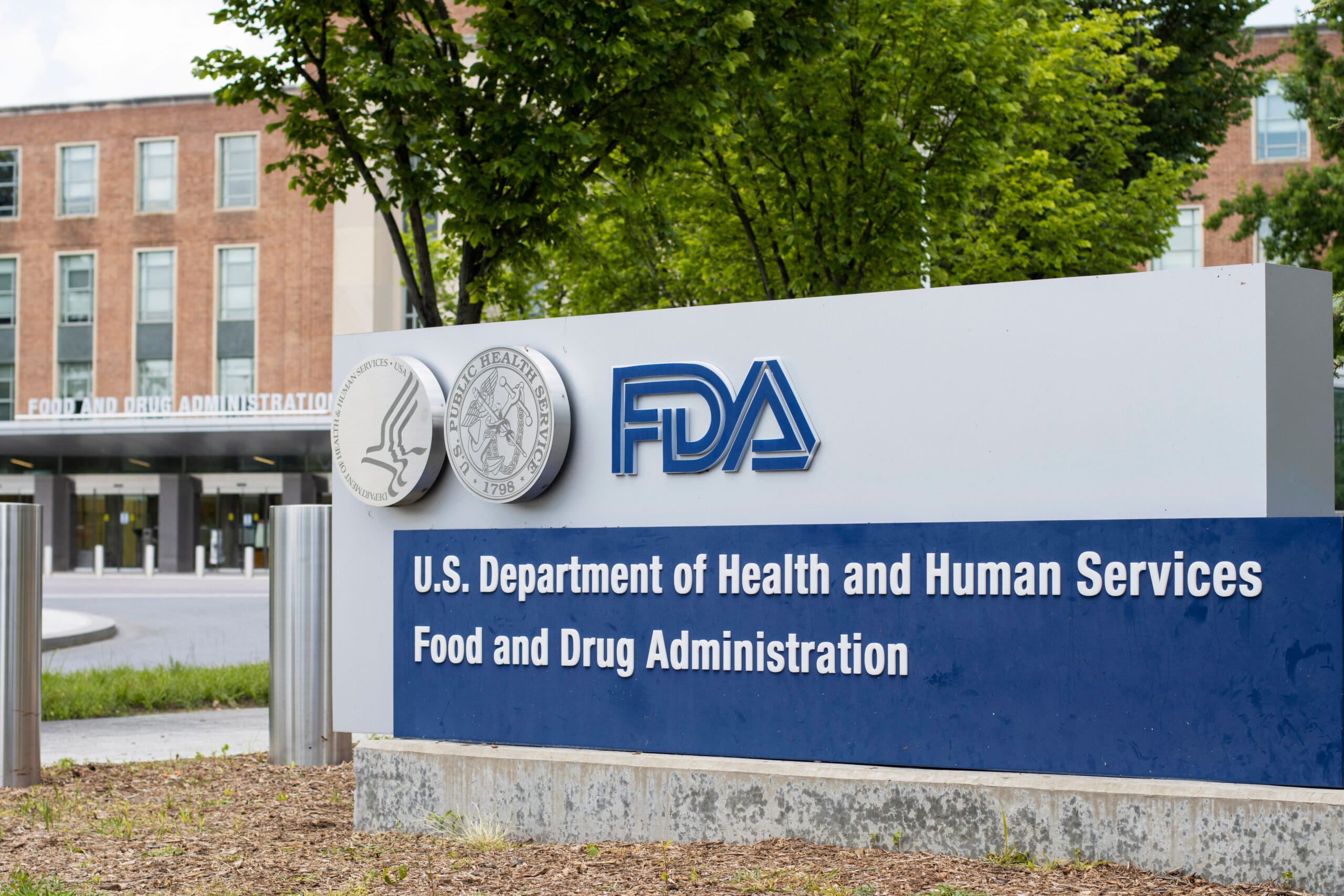
FDA Center for Tobacco Products Reform
Amid a flurry of federal activity in the last few weeks the US Department of Health and Human Services (HHS) announced a reduction of approximately a quarter of their workforce. This has led to a change of leadership at the Food and Drug Administration (FDA) Center for Tobacco Products. The new leadership will face many challenges, but they will also have an opportunity to revisit policies that have led to a shift in consumption towards illicit products and discouraged harm-reduction–policies which, however well-intentioned, have cost lives. In this blog, we discuss some of the challenges that still plague the CTP, and suggest a way forward.
The CTP, which we have extensively covered in recent years due to the surge of illicit market activity, has been heavily criticized. This is due to the challenges in implementing tax policies on alternative tobacco products. In 2022, FDA requested that the Reagan Udall Foundation carry out an independent investigation into the CTP. The report revealed several shortcomings including a lack a clear regulatory framework and product approval process, an inefficient, slow product review, a lack transparency and communication, as well as a general struggle with the vaping industry. We have identified four major categories of CTP reform, with specific policy actions to achieve each.
1. Enhance Transparency and Accountability
One of the biggest criticisms of the CTP is its lack of transparency in decision-making. To receive such authorization, manufacturers must prove that their product is “appropriate for the protection of public health.” Any tobacco or nicotine product lacking a marketing authorization order from the FDA cannot legally be sold in the United States. To receive such authorization, manufacturers must prove that their product is “appropriate for the protection of public health.” Any tobacco or nicotine product lacking a marketing authorization order from the FDA cannot legally be sold in the United States.
Currently, companies seeking market approval for new, reduced-harm products receive little guidance on why applications are accepted or denied–or indeed what constitutes “appropriate for the protection of public health.” The CTP also provides infrequent information on agency actions and doesn’t describe how feedback from stakeholders, the public, or congressional oversight are incorporated into agency actions.
CTP Should Publish a Rubric that Includes Requirements for Product Approval
To improve transparency and accountability, the CTP should set out clearly defined criteria and standards for authorizing or denying new tobacco and nicotine products, including scientific standards for harm reduction. The FDA has been very vocal in its request for clinical control trials and data as part the new product application. The FDA has been outspoken in requesting clinical control trials and other data as part of the new product application process. However, once those data are received there is no rubric to determine what constitutes an appropriate protection of public safety. How do product concerns, like youth usage, compare to reduced combustible tobacco use? How can such measures be estimated without data?
Right away, the CTP’s decision-making process for new products is a mystery. Clear criteria would help set standards for new products, inform innovation and give the CTP an opportunity to get feedback on these standards. Streamline the Premarket Tobacco Product Application Process (PMTA).
The PMTA is a costly, slow, inconsistant, and burdensome process that manufacturers must go through to introduce new tobacco products. The FDA estimated that the costs would be upwards of $2,5 million. However, actual costs could easily reach $100 million. Unfortunately, these extra costs do not speed up the process. These delays and costs have created market uncertainty and legal challenges. These costs and delays have created market uncertainty and legal challenges.
CTP Should Create a Fast-Track PMTA Approval Pathway for Reduced-Risk Products
Products scientifically proven to be less harmful than cigarettes (e.g., e-cigarettes, heated tobacco products, and nicotine pouches) should undergo an expedited review. These products are not new to the US, but they have been available abroad for years. CTP regulators should act with haste to bring products to market that have been scientifically studied and have evidence demonstrating that they are less harmful.
Default Marketing Authorization Approval Should Occur After 180 Days
The CTP has consistently failed to meet statutory deadlines, but there are no ramifications for the agency for such failures. The CTP must make a decision. Applicants should wait patiently. This broken procedure could be corrected by changing the default policy. To prevent the agency from outright rejecting all proposals and gaming the 180-day deadline, each rejection issued by the Agency would have to clearly explain how the product failed the well-defined rubric above. To avoid manufacturers gaming the system by flooding the agency with applications, the FDA should set some non-negotiable minimum requirements for both products and applications.
3. Fix the US Vaping Market
Perhaps the greatest failure of the CTP has been its treatment of electronic nicotine delivery systems (ENDS) and vaping products. Up to 98 percent vaping products in the US are illegal. The CTP’s inaction is almost entirely responsible for the black market. The good news is that the solutions are obvious and quick to implement.
CTP Should Authorize More Legal Vaping Products
The FDA has been extraordinarily slow and stringent when it comes to authorizing products for sale. The FDA received 26.6 million PMTAs between October 2019 and March 2024. The FDA reviewed approximately 1.2 million of the 26.6 million applications (rejecting all the rest). Of the 1.2 million files reviewed during those five years, the FDA granted MGOs for 30 products–0.001 percent of new product applications.
It took the FDA until June 2024 to issue the first MGO for a menthol-flavored product. The FDA has approved a total number of 34 unique ENDS. That figure separately counts vaping devices, pods, and different flavors of the same product.
Without legally authorized products available for sale, illicit products quickly filled the void to meet consumer demand. The demand for illicit products would be substantially diminished if the CTP authorized more products and put more resources into combatting illicit trade.
CTP Should Strengthen Enforcement Against Illegal Products
Illicit tobacco and nicotine products, particularly flavored disposable vapes from China, remain widely available. These products are openly sold in vape shops and corner stores, and major distributors advertise their illegal wares online.
Existing enforcement actions have been slow and often ineffective. CTP can improve its enforcement efforts by working with the Department of Justice, Customs and Border Protection, State Attorneys General, and local health departments. Address Blind Spots: The Teen Vaping Epidemic That Isn’t
No organization is perfect and the CTP has a difficult job. Experts make mistakes. Leaders may not be aware of the unintended effects of certain decisions. Even when data is correctly analyzed and policies are well-designed the consumer and product environment constantly changes. The goal of reducing public harm from smoking is very worthwhile and to do so, the agency should continually check for blind spots–areas where a reevaluation of current, unbiased evidence requires a change in policy. While we don’t exactly know how the CTP determines which products are a risk to the public, we do know one of their main concerns is youth consumption. The FDA’s successful appeal to the Supreme Court was based on the idea that preventing youth use of vapes other than tobacco or mint would be the best way to reduce harm to public health. The data from 2024 showed that 5,9 percent of teens surveyed reported vaping atleast once in the past 30 days. This is a decrease compared to 7.9 percent recorded in 2023. This is the lowest reported rate in the last 10 years. This is good news because it shows that teen vaping doesn’t represent a growing problem. Youth usage of ATPs should continue to be monitored, but the data showing declining use need to be considered in the context of expanding products on the market that can be used to entice smokers to less harmful alternatives.
Nearly 450,000 Americans die annually from smoking. The CTP and FDA could reduce this number dramatically by simply allowing less harmful products to be sold in the United States. CTP reform is urgently needed. If implemented well, new CTP policies could save American lives and restore the function of legal markets for less harmful tobacco products.
Stay informed on the tax policies impacting you.
Subscribe to get insights from our trusted experts delivered straight to your inbox.
Subscribe to our Newsletter
Share this article