Supreme Court orders clerk to count votes for a lawmaker censured over social media post about a transgender athlete
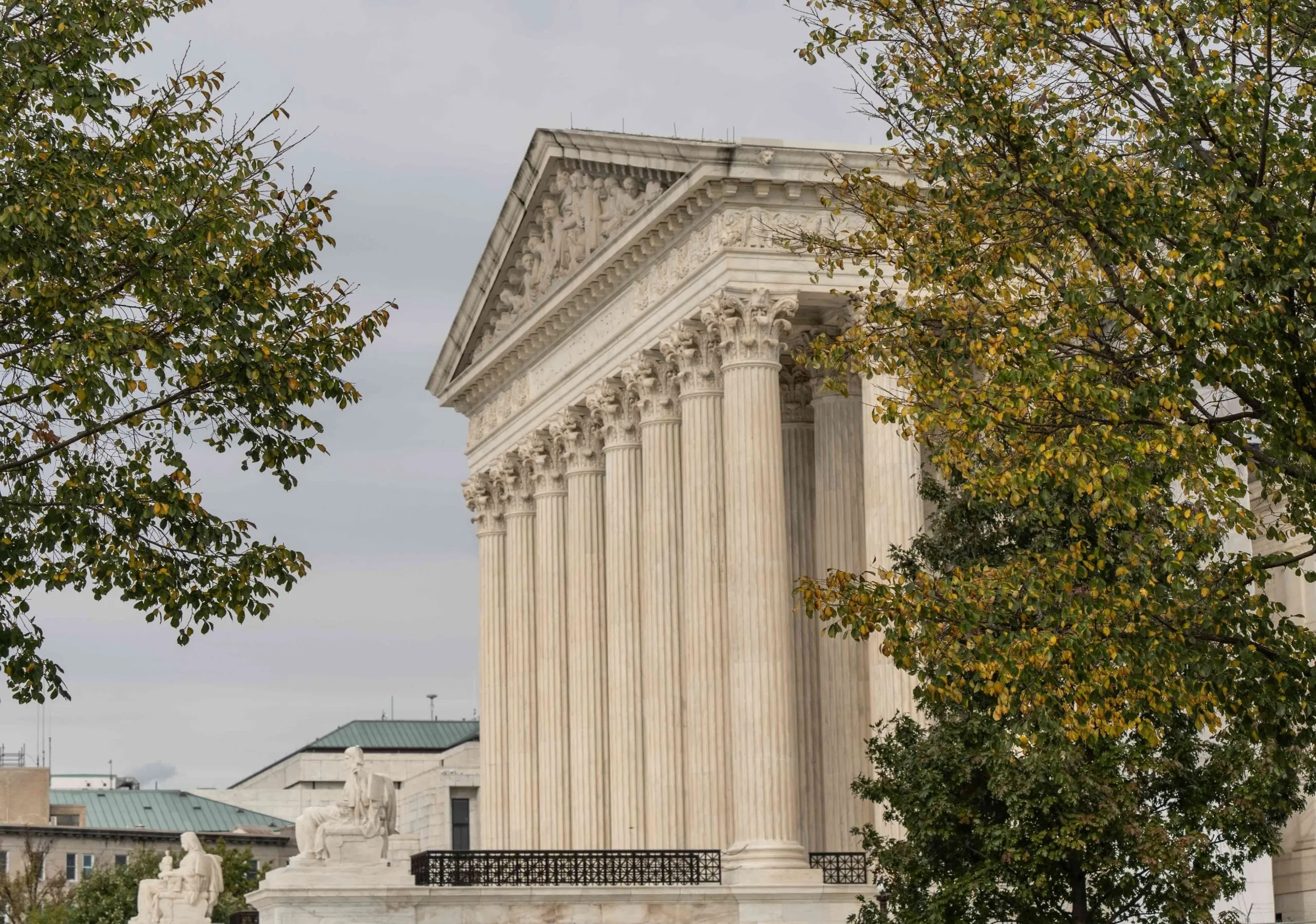
The Supreme Court ordered the clerk of Maine House of Representatives on Tuesday afternoon to count votes of a Maine legislator who was censured over a social media posting about a transgender track athlete at a high-school track meet in the state. In a short, unsigned order, justices granted a request made by Laurel Libby who represents a district located in the southern part the state. This allowed her to vote until her appeal is heard in lower courts, and if necessary in the Supreme Court. Justice Ketanji Jackson dissented in the court’s decision. The court’s dispute began in February, when Libby published a Facebook post on her official legislative account that included photos and the name of a transgender girl who had competed at, and won, the state track-and-field championship.
The events giving rise to the dispute before the court began in February, when Libby published a Facebook post on her official legislative account that included photos and the name of a transgender girl who had competed in, and won, the pole vault at the state track-and-field championship.
The speaker of the House of Representatives, Ryan Fecteau, asked Libby to take the post down, expressing concern that allowing the post to remain online could create health and safety issues. When Libby refused to remove the post, the House brought forward a resolution to censure her, claiming that the post violated the ethics code of the state for legislators. The resolution also stated that the school district was forced to “increase the security at the school, causing unnecessary stress and disturbance to other students, teachers, parents, school support staff, and the entire community” as a result.
The Resolution passed on a party line vote of 75-70. Libby was prohibited from participating in House debates and voting on issues the full House was considering when she refused to apologize for violating the ethics code.
Libby, along with several of her constituents, went to federal court where they argued that the House’s censure violated her rights under the First Amendment and denied her constituents the right to vote under the 14th Amendment. They asked for an order to force Fecteau, the clerk of the House Robert Hunt, and the House to allow her to vote and speak on the House floor. District Judge Melissa DuBose of U.S. District Court for District of Rhode Island denied Libby’s requests, stating that the claims against Fecteau were barred by the concept of legislative immunity – which states that legislators are shielded from suits based on official actions.
Libby went to the U.S. Court of Appeals of the 1st Circuit and asked for only an order requiring Hunt’s vote count. The court of appeals refused this request and instead expedited Libby’s case, scheduling oral arguments for June 5.
Libby asked the Supreme Court to intervene on April 28. She told the justices “her thousands” of constituents “in Maine” “are no longer able to voice their opinions or vote on every bill that comes before the House floor during the remainder of her term, which runs until 2026”, “including the state budget” and “hundreds of other proposed laws”, such as the policy of the state regarding transgender athletes. She said that the order she is seeking “restores the status-quo of equal representation,” by allowing her vote again. He continued that even if immunity existed, Libby had not shown the need for emergency relief. For example, she could still participate in other legislative activities, and so “continues” to have considerable means to advance legislation, oppose it, and otherwise represent her constituency. The court did not provide any explanation for its decision, as is standard practice in emergency appeals. Jackson’s dissenting opinion emphasized that an injunction pending an appeal, which Libby sought, should only be issued in an emergency and only if the person or entity requesting it has an “indisputably obvious” right to it. Jackson argued that Libby did not meet this high bar. Jackson pointed out that the court of appeals had fast-tracked Libby’s case and she does not claim to be missing any important votes as her appeal continues. Jackson argued that the Supreme Court used to be very careful when it came to issuing injunctions at the request of a person claiming an emergency. But now the court is less judicious and more willing to grant injunctions. This, she argued, is both unfair and unwise. She also warned that by lowering the bar to grant emergency relief, this will lead to more people asking the court for help in the future.
Posted in Emergency appeals and applications, Featured
Cases: Libby v. Fecteau
Recommended Citation:
Amy Howe
Supreme Court orders clerk to count votes of lawmaker censured over social media post about transgender athletes
SCOTUSblog
(May. 20, 2025, 4:52 PM),