Senate IP Subcommittee Mulls PREVAIL Act Proposals for PTAB REform
“The [Federal Circuit] is not rejecting the PTAB’s decisions because of the low standard the PTAB has, not because [the PTAB judges] are expert technologists; the expert technologist was our patent examiner who had been doing pulse oximetry patents for 30 years.” – Joe Kiani, Masimo
The Senate Subcommittee on Intellectual Property held a hearing today featuring witnesses who weighed in on the Promoting and Respecting Economically Vital American Innovation Leadership (PREVAIL) Act, which was introduced in June by Senators Chris Coons (D-DE), Thom Tillis (R-NC), Dick Durbin (D-IL) and Mazie Hirono (D-HI). Today’s was the sixth hearing of the IP Subcommittee this year.
The goal of the PREVAIL Act is to reform the Patent Trial and Appeal Board (PTAB) in a number of ways. Key provisions of the bill would:
- Require standing for PTAB challengers—specifically, that they must have been sued or threatened with a patent infringement lawsuit before filing a PTAB challenge—and limit multiple petitions against the same patent by “prohibiting any entity financially contributing to a PTAB challenge from bringing its own challenge”;
- Do away with joinder for time-barrred parties;
- Apply estoppel at the time the challenge is filed rather than after the Final Written Decision;
- Institute a “clear and convincing evidence” standard for patent invalidity at the PTAB and require claims be interpreted using the “plain and ordinary meaning” standardused in district courts;
- Require the Director to establish a Code of Conduct for PTAB judges and would demand more transparency of the USPTO Director with respect to their involvement in PTAB decisions;
- Require parties to choose whether to bring their action at the PTAB or in district court, but not both, in an effort to end duplicative proceedings;
- End the practice of filing reexaminations following failed PTAB petitions;
- Establish that PTAB judges who decide whether to institute a post-grant proceeding would not be the same judges who decide the outcome of the proceeding.
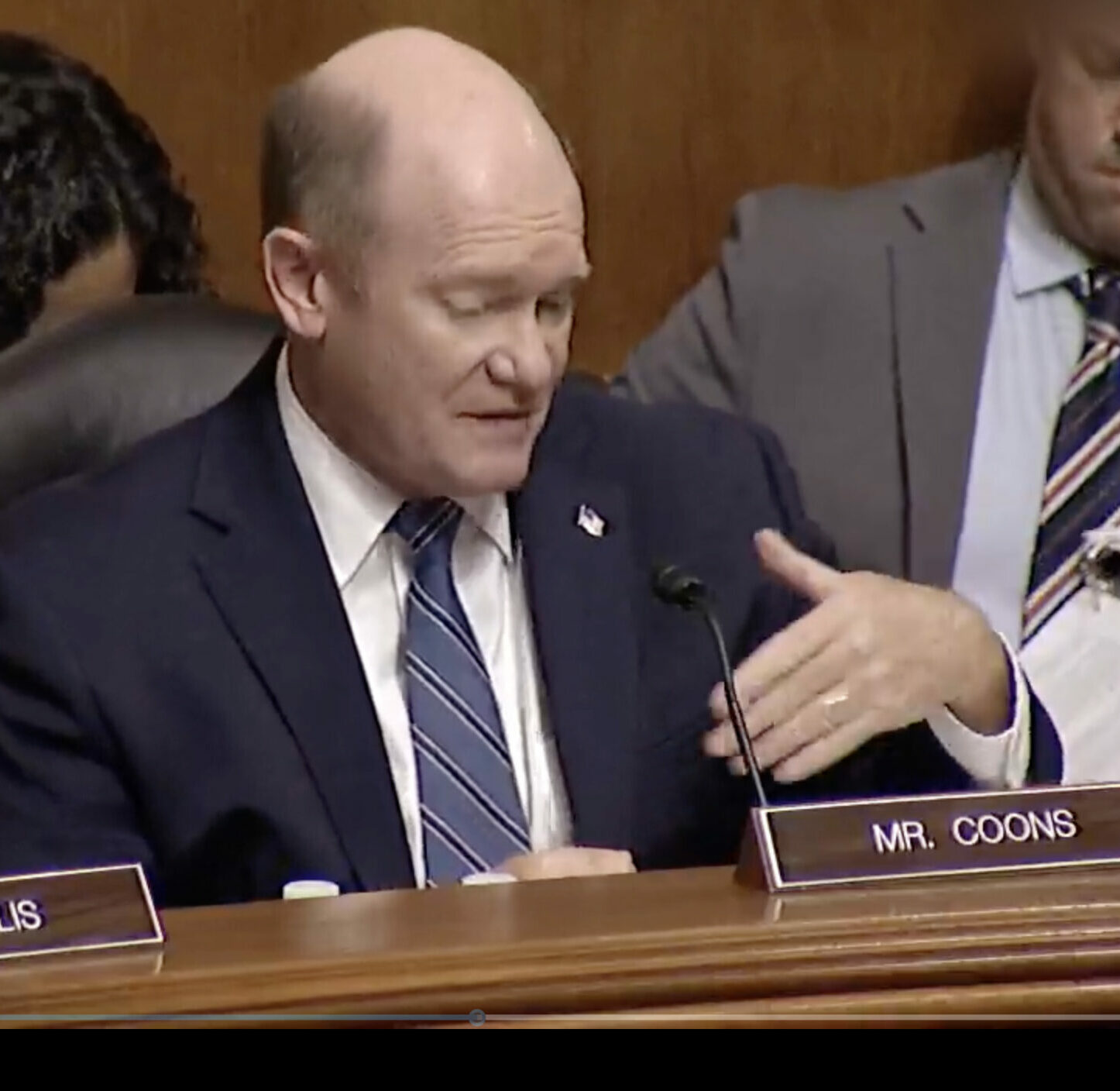 Though he didn’t name names, Subcommittee Chair Coons opened with nods to two recent high-profile examples of PTAB abuse—the VLSI and Molly Metz cases. He explained that “today, more often than not, very large, very well-resourced corporations use the PTAB as a tool to wear down patent [owners]. More than 85% of defendants in patent litigation have used the PTAB as a duplicative rather than alternative form to challenge a patent, often making the very same invalidity arguments in both district court and the PTAB.” Ultimately, said Coons, the forum has not lived up to its goal of being a faster, cheaper alternative to district court validity litigation.
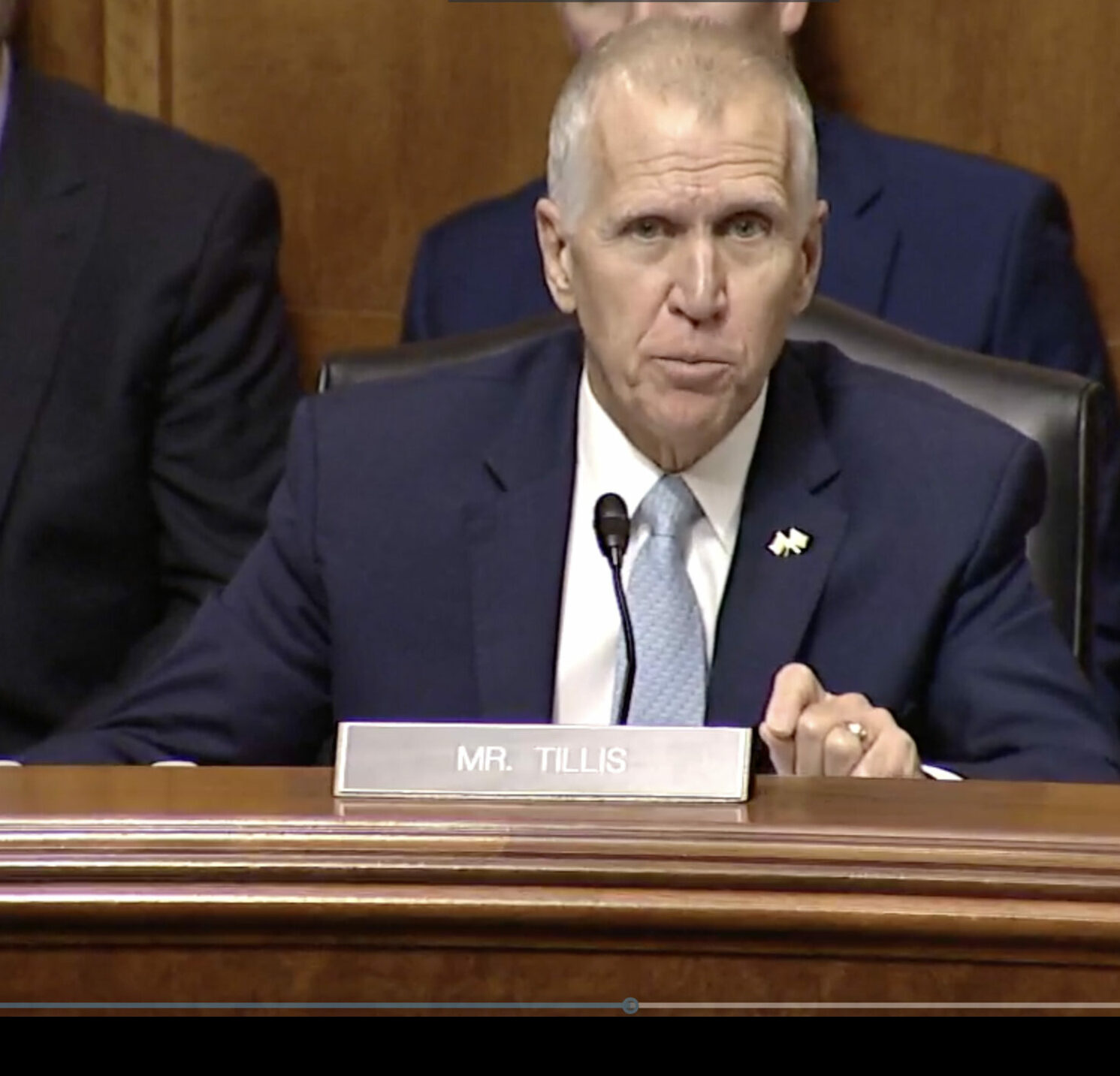 Ranking Member Tillis in his opening remarks said “we have business problems here” and urged stakeholders to “come to the table,” assuring that his office is open to anyone with a perspective—except one: “To say the status quo is fair is about the only thing that will shut me down,” Tillis explained. “There needs to be change.”
The Stakeholders
A number of organizations submitted letters and issued statements in advance of today’s hearing.
US Inventor, which has been vocally critical of both the PREVAIL Act and Patent Eligibility Restoration Act (PERA), dubbed this a “Sham Hearing” and said that “the PREVAIL Act, while a step in the right direction, will have a marginal effect at best and may have no effect at all.” The inventor organization also took issue with the witness list, which it said lacked the voices of small inventors and businesses.
According to US Inventor’s position paper on PREVAIL, the bill fails to address what USI claims is the root of the PTAB’s problem—”a perverse incentive system that drives the PTAB to invalidate patents at extremely high rates just to stay in business.”
Other groups commended the senators’ efforts and urged passage of the bill. A coalition of IP associations said the bill would restore predictability and re-balance the system.
Brian Pomper, Executive Director at the Innovation Alliance, said the PTAB weakens patent rights and PREVAIL “will limit the ability of Big Tech companies and other patent infringers to launch repetitive and harassing challenges against inventors, and end the ability of patent challengers to choose between the PTAB and district court in search of more favorable rules.”
The Witnesses
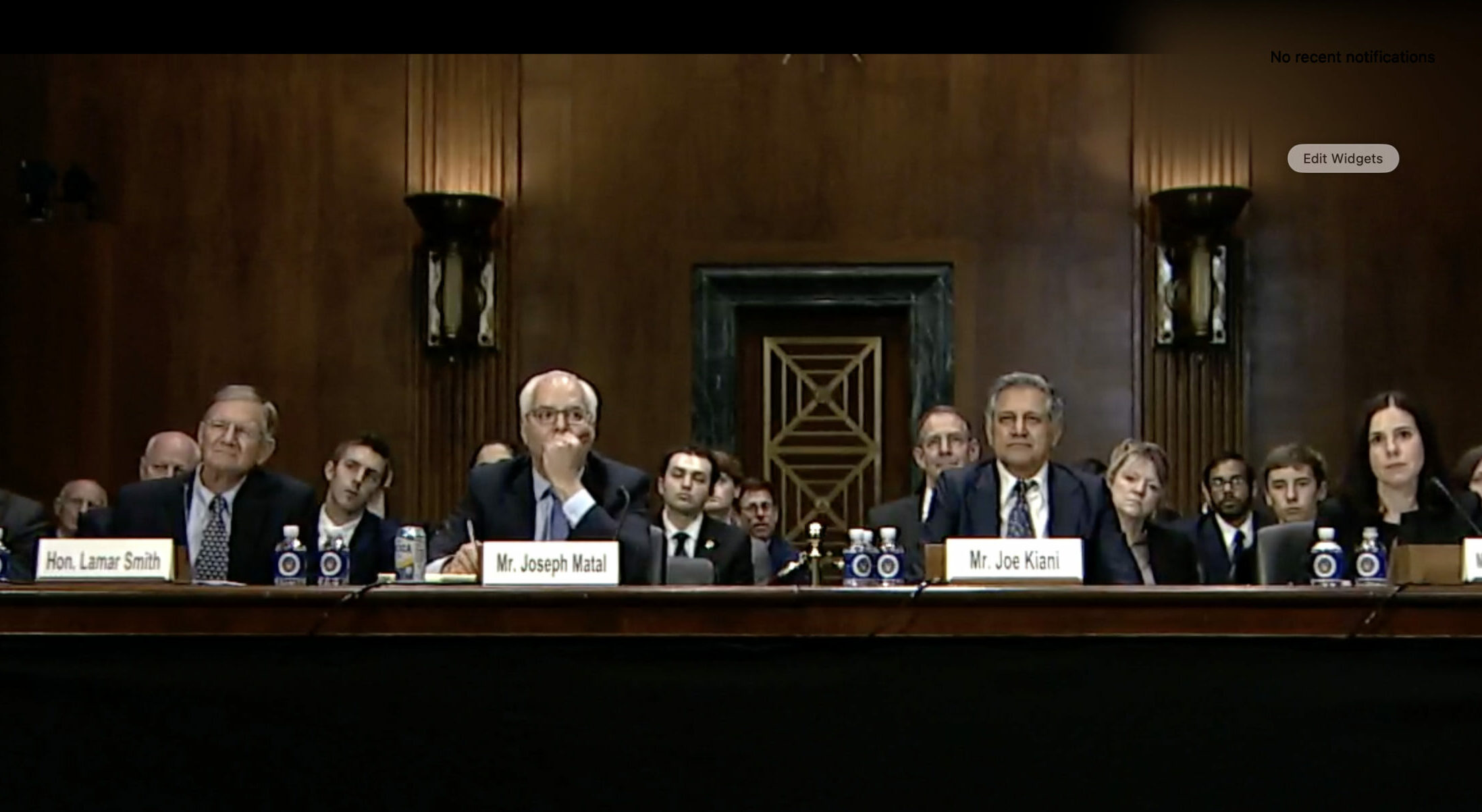
The witnesses at today’s hearing included Lamar Smith, former Chairman of the House Committee on the Judiciary and currently Senior Consultant for Akin Gump; Joe Matal, former USPTO Acting Director and Acting Solicitor and now a Principal at Clear IP, LLC; Joe Kiani, Founder, Chairman and CEO at Masimo Corp.; and Michelle Armond, Founding Partner at Armond Wilson, LLP.
Most of the witnesses were generally supportive of the bill. Kiani, in particular, urged quick passage and implied the bill doesn’t even go far enough for many inventors.
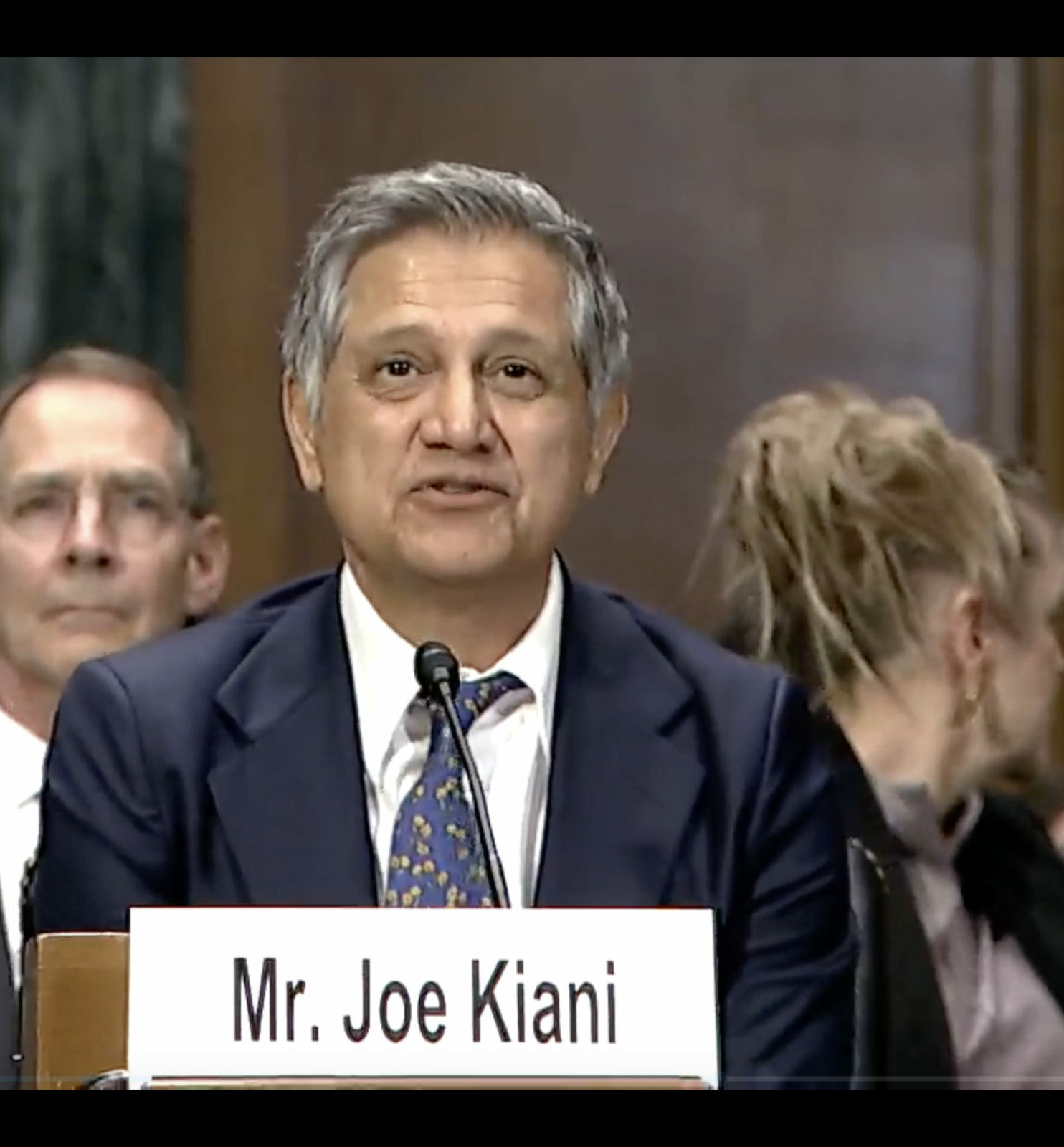 Kiani’s story about Masimo’s battle with Apple over pulse oximetry technology featured prominently during the hearing. Although Masimi recently scored a win at the International Trade Commission (ITC) against Apple, Kiani recounted how the company had to contend with 33 inter partes reviews (IPRs) filed by Apple against its patents at the PTAB, which cost Masimo about $13 million in the end. Kiani added that, in order to invalidate the claims, all Apple had to do was have its expert say, “I would have thought of that”:
“Preponderance of the evidence, that’s the problem. I learned later that the PTAB’s biggest customer is Apple…. I was hopeful the [Federal Circuit] would overturn the PTAB…but I was shocked that they didn’t; I learned they had no choice but to accept the PTAB’s decision because of the [PTAB’s preponderance of the evidence] standard.”
Kiani referenced a study cited by Matal in his introductory statement and in his written testimony that concluded “the PTAB is affirmed notably more often than district courts on [patent] validity issues.” Kiani said this study “I think missed the point.” He added:
“The [Federal Circuit] is not rejecting the PTAB’s decisions because of the low standard…not because [the PTAB judges] are expert technologists; the expert technologist was our patent examiner who had been doing pulse oximetry patents for 30 years.”
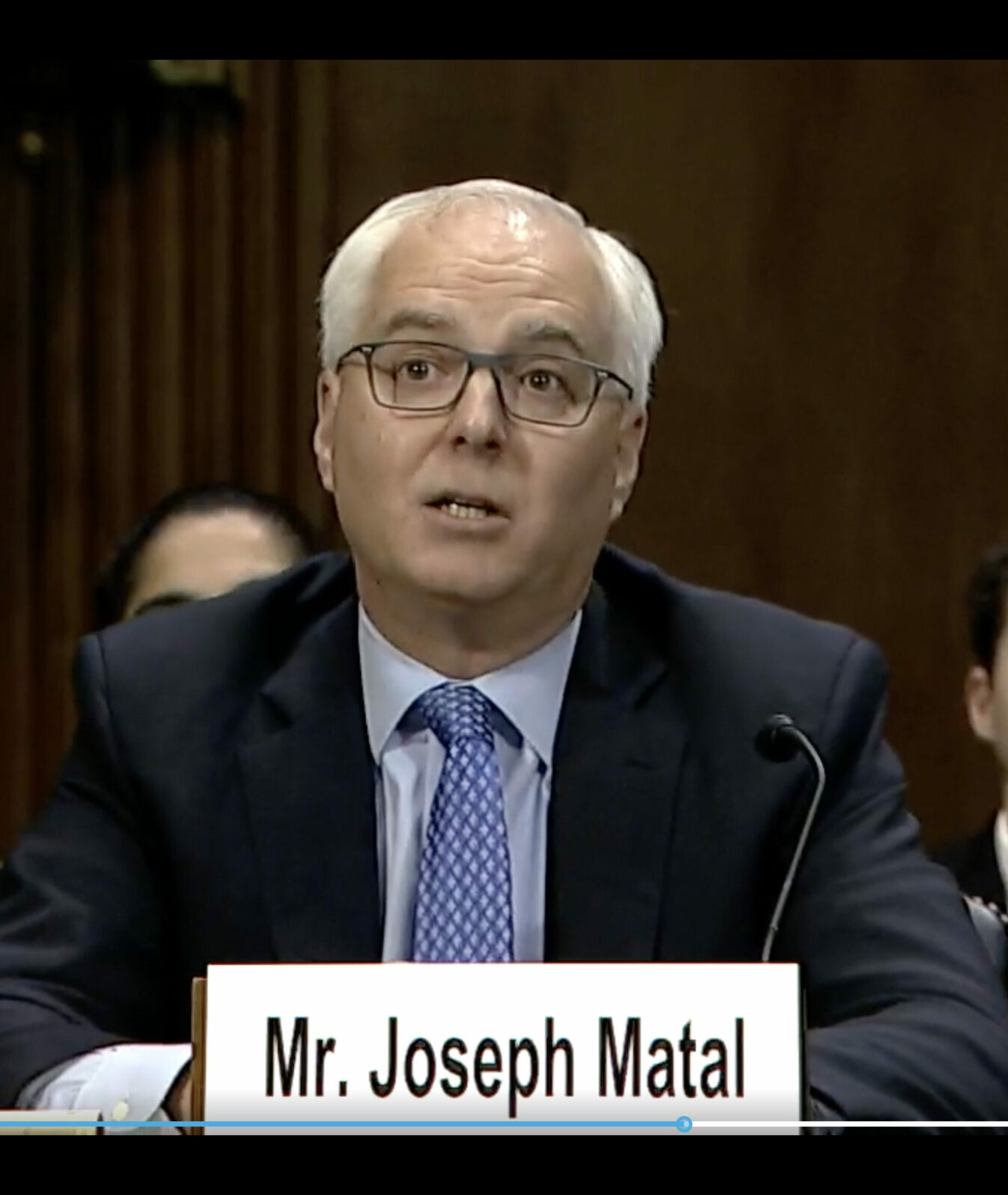 Matal was perhaps the most pro-PTAB witness on the panel, remarking that the system “is working well” and “producing reliable and technically accurate reviews of patent validity.” He resisted the idea that the standards of review need to be made consistent between the PTAB and district courts, commenting that “the reason courts apply the clear and convincing standard is out of deference to the agency’s expertise.” He continued:
“When you’re back at the agency, it’s the same expert agency, and in fact they’ve had a lot more analysis of the same claims…. If we give people clear and convincing deference automatically, even for prior art that was never considered” the incentive to conduct quality searches during prosecution goes away.”
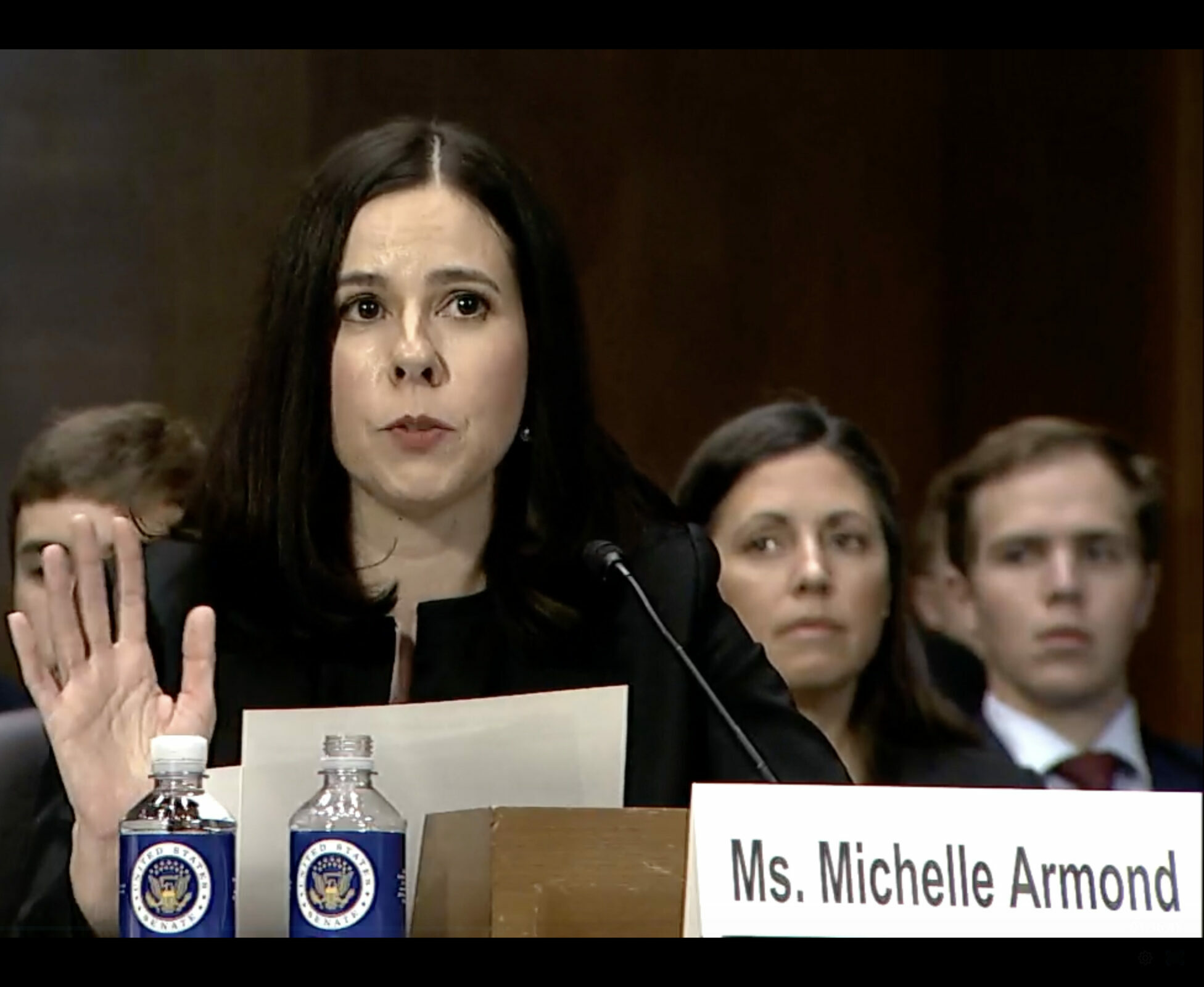 Armond was in favor of the PREVAIL provision that would end duplicative litigation, though she said the PTAB is very good at conducting a limited proceeding well and quickly. However, “a lot of clients on both sides are frustrated that they’re spending money in both venues at the same time,” Armond said. “Clarity would be helpful.”
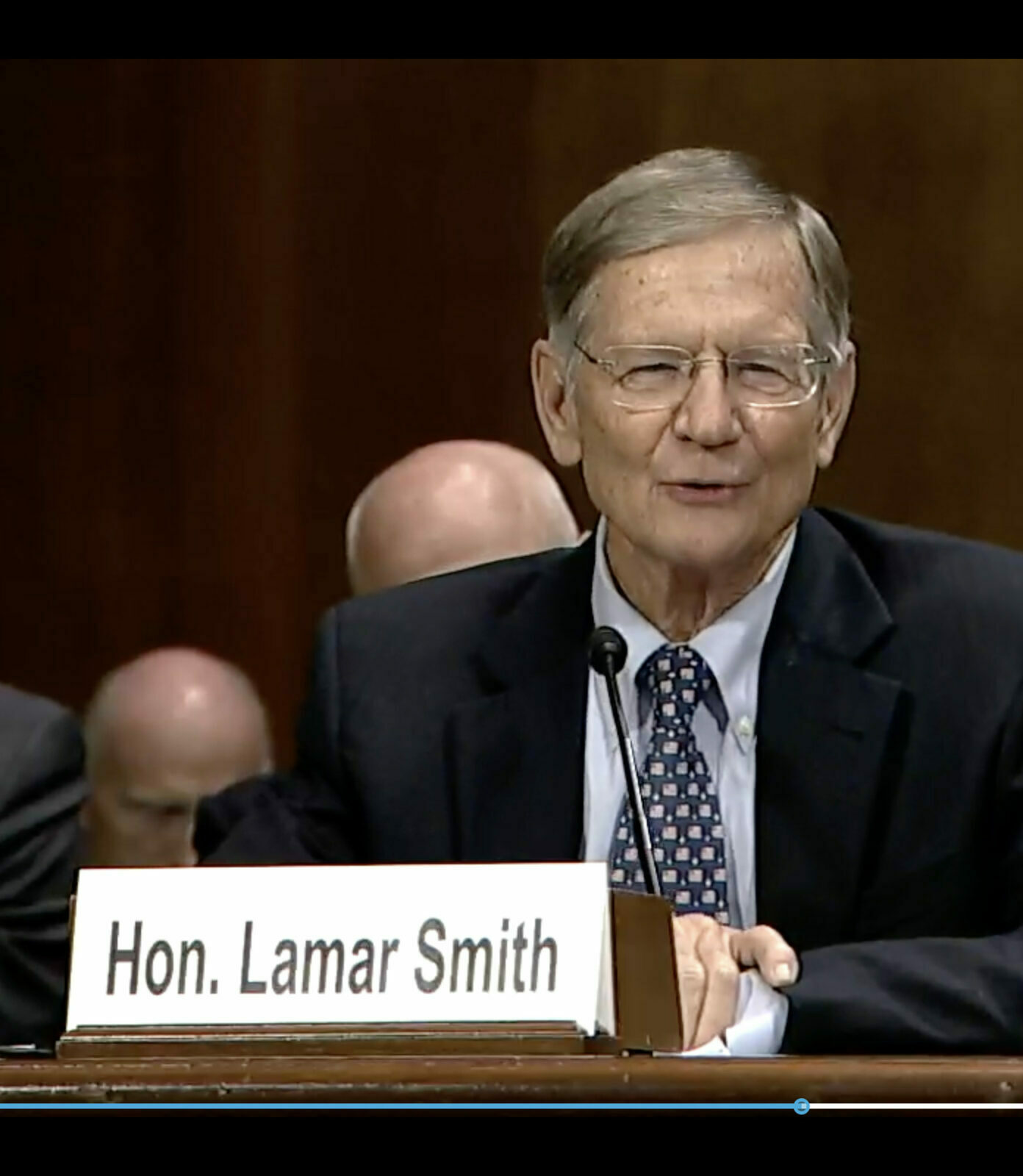 Smith, who helped to create the PTAB, as one of the key sponsors of the America Invents Act (AIA), said the forum isn’t working as envisioned and was very supportive of making the proposed tweaks. He alluded to a recent op-ed in The Hill that claimed the United States’ share of global venture capital funding has fallen from 82% in 2004 to 49% in 2021. “In order for us to compete with China we have to do a good job of giving quiet title,” Matal said.
Coons is also said to be gearing up to imminently introduce a bill that would address injunctive relief.